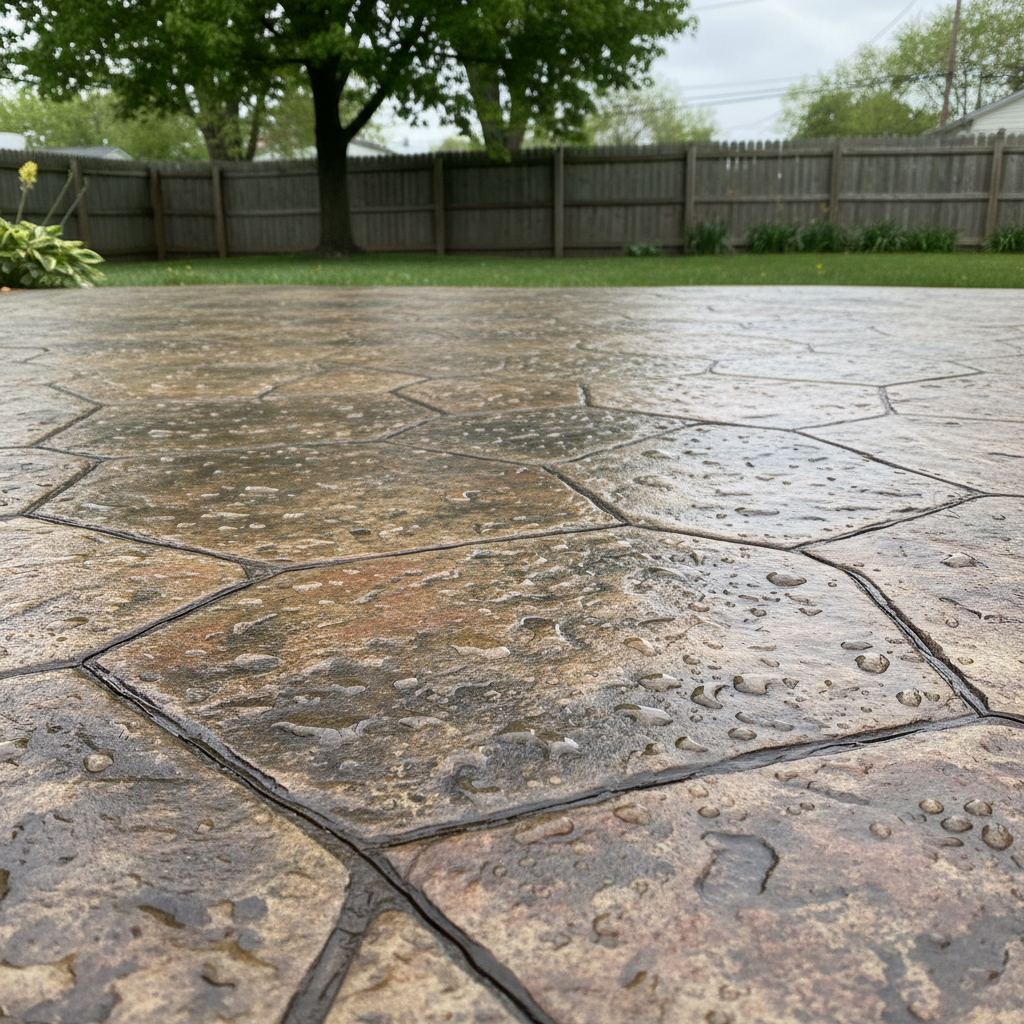
Thinking About Decorative Concrete?
So, you're looking at sprucing up your home with some decorative concrete, huh? Maybe it's a new patio, a walkway, or even an indoor floor. It's a great choice, offering a ton of versatility and a real step up from plain gray concrete. But before you dive in, let's talk about what you're getting into, what you can tackle yourself, and when it's definitely time to call in the pros, like us at Classic Concrete Co.
Before You Start: Planning & Expectations
The first thing to understand is that decorative concrete isn't just one thing. We're talking about stamped concrete, stained concrete, polished concrete, and even overlays. Each has its own look, cost, and complexity. You need to decide what aesthetic you're going for. Do you want something that mimics natural stone or brick? That's usually stamped concrete. A rich, earthy tone that looks like leather? Staining might be your answer. A super smooth, modern, glossy finish? That's polishing.
Think about where it's going too. An outdoor patio in Des Plaines needs to stand up to our brutal winters and hot, humid summers. That means proper installation, good drainage, and a robust sealing job. If it's an indoor floor, you might have different concerns, like slip resistance or how it ties into your existing decor.
DIY Potential: For the average homeowner, planning and research are 100% DIY. Look at pictures, get samples, visit showrooms. Understand the different types and what they entail. You can even do some small, simple staining projects yourself, especially if it's a small, existing slab that's already in good shape. But be warned: getting a consistent, professional-looking stain takes practice.
When to Call a Pro: If you're talking about anything involving pouring new concrete, stamping, or large-scale staining/polishing, you absolutely need a professional. Stamping requires specialized tools and a lot of experience to get the pattern right and avoid seams. Pouring concrete is physically demanding and needs to be done quickly and correctly to prevent cracking and unevenness. Trust me, you don't want to mess up a concrete pour; it's not a small fix.
During the Project: What to Expect
If you've hired a pro, they'll handle the heavy lifting. For stamped concrete, this usually involves:
- Site Prep: Digging out the area, ensuring proper grading for drainage (super important around here with our clay soil!), and laying down a good base.
- Pouring & Coloring: The concrete gets poured, and then either integral color is mixed in, or a color hardener is applied to the surface.
- Stamping: This is where the magic happens. Large mats with patterns are pressed into the wet concrete. Timing is everything here.
- Curing & Sealing: Once the concrete sets, it needs to cure properly, and then a good quality sealer is applied to protect it from the elements and enhance the color.
If you're doing a small DIY staining project, you'll need to clean the surface thoroughly, apply the stain evenly (often in multiple coats), and then seal it. Don't skip the sealing step, especially outdoors. It's what protects your investment.
After the Project: Maintenance Matters
Alright, so your beautiful new decorative concrete is in. Now what? Maintenance is key to keeping it looking great for years. It's not maintenance-free, but it's generally low-maintenance.
- Cleaning: Regular sweeping and occasional washing with a mild detergent and water are usually enough. For outdoor surfaces, a pressure washer on a low setting can help with stubborn dirt, but be careful not to damage the sealer or concrete itself.
- Resealing: This is the big one. Depending on traffic and exposure to the elements, you'll need to reseal your decorative concrete every 2-5 years. For a high-traffic driveway or a patio that gets a lot of sun and snow, you might be closer to the 2-year mark. A good sealer protects against stains, UV damage, and freeze-thaw cycles, which are a real concern for us here in Des Plaines.
- Cracks: Even with the best installation, concrete can crack. It's just the nature of the material. Small hairline cracks are usually nothing to worry about. Larger cracks might need attention. Talk to your contractor if you're concerned.
DIY Potential: Cleaning and resealing are definitely DIY-friendly tasks. You can buy good quality sealers and apply them yourself with a roller or sprayer. Just make sure the surface is clean and dry before you start.
When to Call a Pro: If you have significant cracking, spalling (flaking or pitting), or if you're unsure about the type of sealer to use or how to apply it, give us a call. We've seen it all and can help you keep your decorative concrete looking its best. Don't let a small issue turn into a big one because you waited too long.
Decorative concrete can really transform your home's curb appeal and value. Just make sure you go into it with your eyes open, understand the process, and know when to roll up your sleeves and when to pick up the phone.