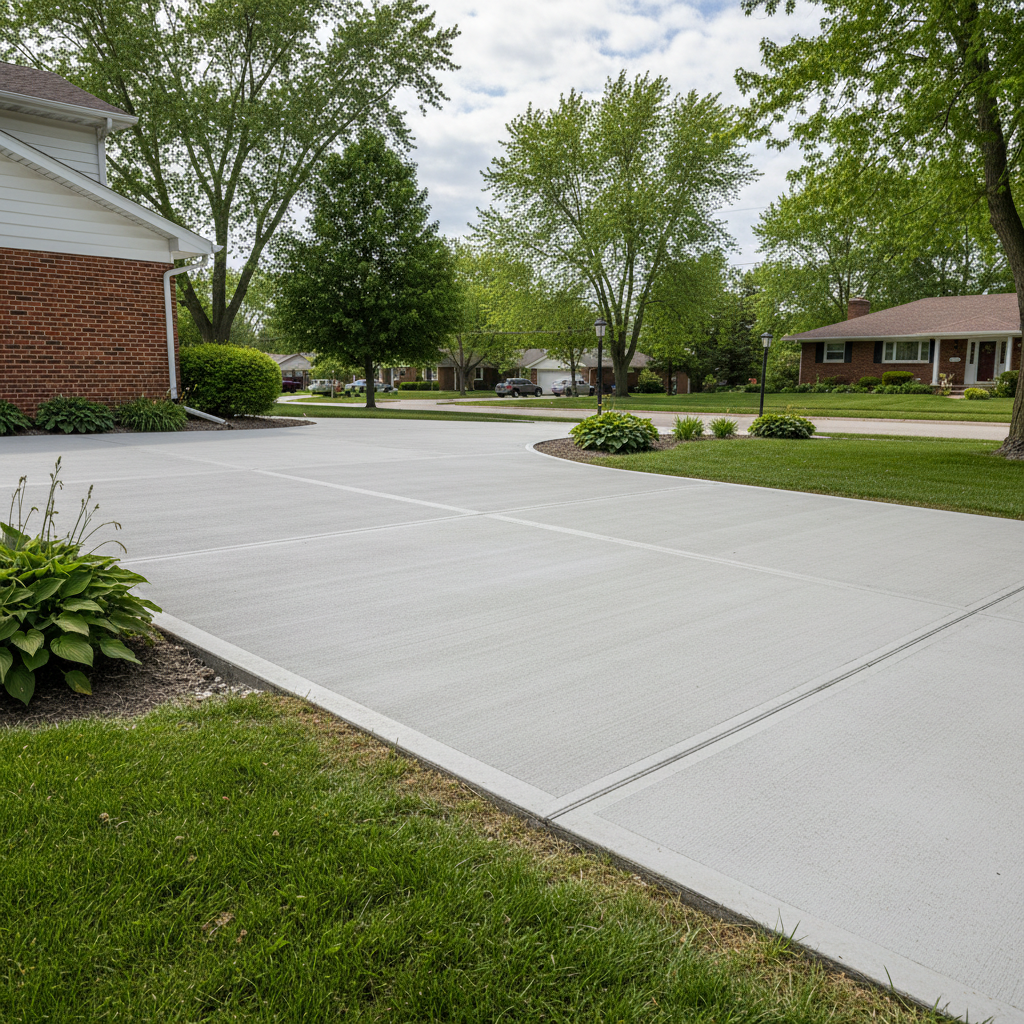
So, you've invested in concrete repair, maybe we just finished up a job for you, or maybe another contractor did. Either way, that's a smart move. But getting the repair done is only half the battle. If you want that new concrete to last, especially with our crazy Illinois weather, you've got to give it a little love. I've seen too many good repairs go bad because folks don't know how to maintain them. Let's talk about what you can do.
Extend the Life of Your Concrete Repair
First off, the biggest thing you can do for any concrete, new or repaired, is seal it. I can't stress this enough. A good quality penetrating sealer, applied correctly, is like a shield for your concrete. It helps repel water, oil, and chemicals, which means less staining and, more importantly, less freeze-thaw damage. Our winters here in Des Plaines are brutal, right? Those cycles of freezing and thawing water in the concrete's pores are what really break it down. A sealer prevents that water from getting in.
You'll want to reapply that sealer every few years. How often depends on the sealer type and how much traffic the concrete sees. For a driveway, maybe every 2-3 years. A patio that gets less abuse might go 3-5 years. Just keep an eye on it; if water isn't beading up anymore, it's time.
Another big one is proper drainage. If water is constantly pooling on or near your concrete, it's going to cause problems. Make sure your downspouts are directed away from slabs, and that any landscaping isn't trapping water. We've seen a lot of issues around older homes in places like the Cumberland neighborhood where grading wasn't always perfect, leading to water sitting against foundations or driveways.
Regular Maintenance: What You Need to Do
Maintenance for repaired concrete isn't rocket science, but it does require consistency. Here's what I tell my clients:
- Keep it Clean: Sweep off dirt, leaves, and debris regularly. Organic matter can hold moisture against the concrete, and leaves can stain. If you spill something, clean it up promptly. Oil, grease, chemicals – they can all degrade the concrete or its sealer over time.
- Watch the Weight: Try not to overload your concrete, especially if it's a driveway or patio. Don't park heavy equipment on it for extended periods if it wasn't designed for that load.
- Snow and Ice Management: Be careful with de-icing salts. While they help melt ice, many types can be harsh on concrete, especially new or repaired sections. Calcium chloride and magnesium chloride are generally better choices than rock salt (sodium chloride), but even those should be used sparingly. Shovel early and often, and consider using sand for traction instead of relying solely on chemicals.
- Avoid Pressure Washing Extremes: A light pressure wash can clean concrete beautifully. But don't go crazy with a super high-pressure nozzle right up against the surface, especially on older or repaired areas. You can actually damage the surface or blast out aggregate.
Warning Signs of Problems
You've got to be observant. Catching a small problem early can save you a much bigger headache and expense down the road. Keep an eye out for:
- New Cracks: A tiny hairline crack might just be normal concrete movement. But if you see new cracks forming, or existing ones getting wider or longer, that's a red flag.
- Spalling or Flaking: This is when the surface of the concrete starts to chip, peel, or flake off. It's often a sign of freeze-thaw damage or poor quality concrete/finishing.
- Sinking or Unevenness: If a slab starts to sink or tilt, that usually means there's a problem with the soil underneath. This could be due to erosion, poor compaction, or even plumbing leaks.
- Pitting: Small holes or craters on the surface can indicate a problem with the concrete mix or exposure to harsh chemicals.
- Efflorescence: That white, powdery substance that sometimes appears on concrete? It's mineral salts leaching out. Usually harmless, but if it's excessive or persistent, it can indicate a lot of moisture moving through the concrete.
When to Call a Professional
Look, you can do a lot of preventative maintenance yourself, and that's great. But there are times when you just need to call in the pros. Don't wait until a small issue becomes a full-blown disaster. You should definitely give Classic Concrete Co. a call if:
- You see significant new cracking or existing cracks are rapidly worsening.
- There's noticeable sinking or unevenness in a slab, especially if it's a tripping hazard or directing water towards your foundation.
- You're seeing widespread spalling or deterioration of the concrete surface.
- You've got standing water issues that you can't solve with simple grading or downspout adjustments.
- You're unsure about the best way to seal your concrete or what products to use. We can assess your specific situation and recommend the right approach.
Your concrete is an investment in your home. Taking these steps will help protect that investment and keep your property looking good for years to come. Don't hesitate to reach out if you have questions or need a hand. We're always here to help our Des Plaines neighbors.