Poured Concrete vs. Pavers: What's Best for Your Des Plaines Patio?
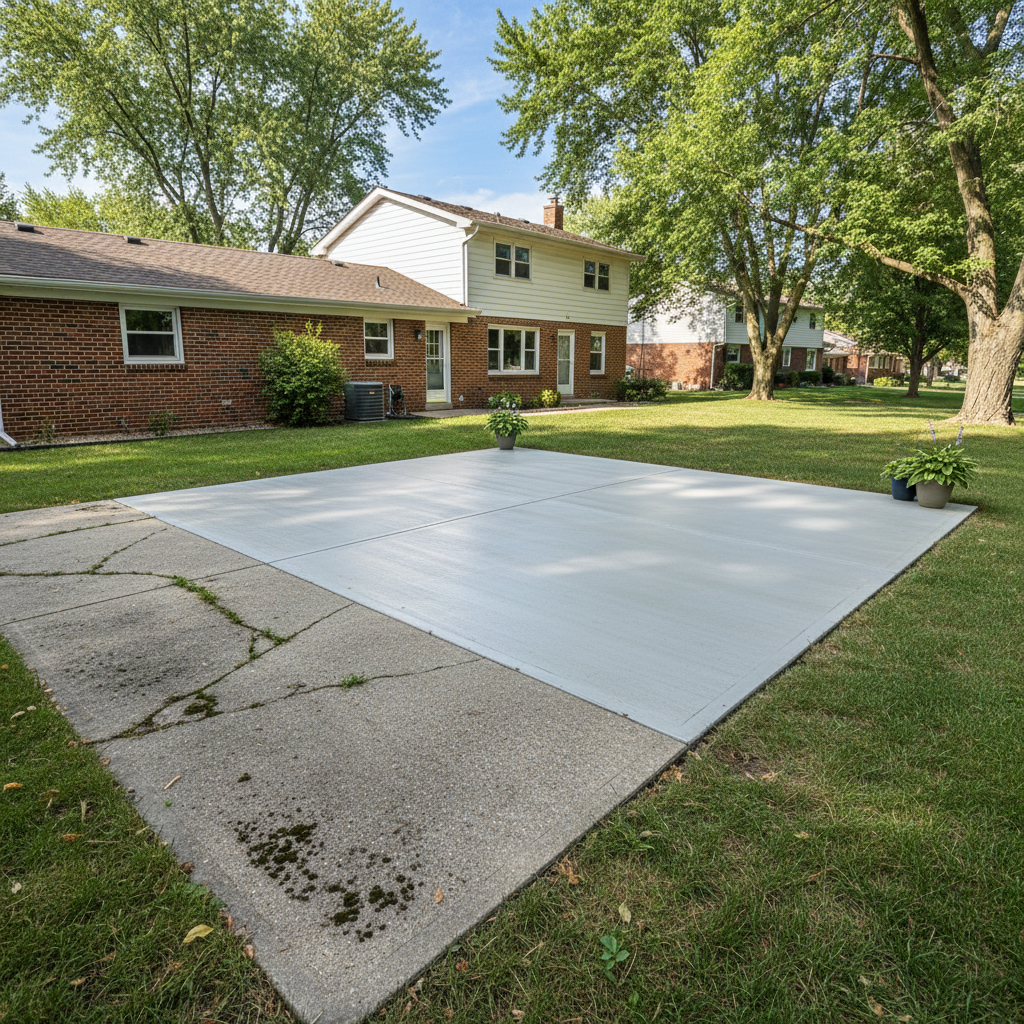
So, you're thinking about a new patio for your Des Plaines home. That's a fantastic idea! A good patio really extends your living space, making your backyard way more enjoyable. But then you hit the big question, don't you? Do you go with a classic poured concrete slab, or are those interlocking pavers more your style? It's a common dilemma, and frankly, I've seen both done right — and done wrong — all over town, from the older homes near the river to the newer developments west of Mannheim.
Let's talk through the pros and cons of each. What looks good in a magazine might not be the best fit for our Illinois weather or, let's be honest, your budget.
Cost: What's the Initial Hit?
Right off the bat, most folks are thinking about money. Generally speaking, a standard poured concrete patio is going to be less expensive upfront than a paver patio. You're really just paying for materials and labor for one big pour. With pavers, though, you've got the cost of the individual units themselves, which can vary wildly depending on the style and material. Plus, there's more intensive labor involved in laying them out, cutting them, and setting them properly.
Now, if you start adding decorative elements to your poured concrete, like staining or stamping (which, by the way, we do a lot of here at Classic Concrete Co.), that cost gap can shrink or even flip. But for a basic, functional patio, poured concrete usually wins on initial price.
Durability & Longevity: Built to Last?
This is where things get interesting, especially around here. Poured concrete, when installed correctly with proper sub-base prep and control joints, is incredibly durable. It can handle heavy furniture, grills, and years of foot traffic. The biggest enemy of poured concrete in Des Plaines, though, is our freeze-thaw cycles. Water gets into tiny cracks, freezes, expands, and then you get spalling or bigger cracks. Good sealing helps a ton, but it's a constant battle.
Pavers, on the other hand, are individual units. They're designed to flex and move a little with the ground. This flexibility can be a huge advantage when our soil heaves and settles. If one paver cracks or gets stained, you can usually replace just that one. The downside? If the base isn't prepared perfectly, pavers can settle unevenly, creating trip hazards or an unlevel surface. We're talking about a good 6-8 inches of compacted gravel and sand base for pavers to really perform well here, especially with our clay-heavy soils that just love to hold water.
Maintenance: How Much Work Are We Talking?
Nobody wants a patio that's a constant chore. For poured concrete, maintenance usually involves cleaning it periodically and re-sealing it every few years. Sealing is crucial for protecting it from moisture and stains. If cracks do appear, you'll need to address them to prevent further damage.
Pavers require a bit more hands-on maintenance. You'll need to sweep them regularly to keep debris out of the joints. Weeds love to sprout between pavers, so you'll be pulling those or using weed killers. The joint sand can also wash out over time, especially after heavy rains, meaning you'll need to sweep in new polymeric sand to keep everything locked in place and deter weeds. Power washing is effective, but you have to be careful not to blast out the joint sand.
Appearance & Design Flexibility: What Look Are You Going For?
This is really a matter of taste, isn't it? Poured concrete can be simple and utilitarian, or it can be dressed up with colors, textures, and even stamped patterns that mimic stone or brick. It offers a clean, continuous surface, which some people prefer. It's a blank canvas.
Pavers come in an enormous variety of shapes, sizes, colors, and textures. You can create intricate patterns, borders, and designs that are truly unique. They have a more natural, segmented look that many homeowners find appealing. If you're going for a rustic or Old World feel, pavers often fit the bill perfectly.
My Recommendation for Des Plaines Homeowners
Alright, so what's the verdict for folks living right here in Des Plaines? Given our specific climate — those brutal winters with freezing and thawing, and the heavy clay soil that can shift — I lean towards poured concrete with proper installation and regular sealing for most applications.
Why? Because when it's done right, you get a solid, low-maintenance surface that stands up well to our conditions. The key is that